
High-resolution Panoramic ICM
Intentional Camera Movement (ICM) is a photographic technique of using a long shutter speed (exposure time) and purposely moving the camera during the exposure. The result can be dreamy surreal images with artistic surprises. That is the technique being used to create the images in this gallery. But these images are high-resolution images (prints as wide as 14.5 feet) and as such, are very unique. Please continue reading to find out why.
With the advent of digital cameras, the ability to create ICM photographs was simplified by being able to take a photo and review it immediately in camera. The camera movement necessary to create the desired ICM effect can be achieved by experimenting and taking 10, 20, or more photos until what was seen on the camera back is satisfactory. But how can a panoramic ICM image be created? In the digital world, panoramics and other ultra-high-resolution photos are created by combining 10, 100, or even 1000s of photos using stitching software. As the camera is moved to fixed positions across the scene, each digital photo taken requires overlapping content. The camera and the subject in each photo must remain perfectly still so that the stitching software can identify which photos are to be combined by finding the identical content within the overlapping photos (Note: You can see the result of that digital stitching technique taken to extremes in this gallery).
So, if the photographer is moving the camera to create an ICM image and creating stitched panoramic images requires many photos with a perfectly still camera and subject (so that stitching software can identify the adjacent photos), how can a high-resolution ICM panoramic image be created? It would have to be done in a single exposure. But there are no 350-megapixel panoramic digital sensor cameras.
The solution is film. Yes, light-sensitive photographic film. And to achieve a high resolution, the negative (that will eventually be scanned) would have to be huge. And that is exactly how these images were created. The images that are shown below were created by using a dedicated panoramic film camera with a negative size of 6 x 17 cm (2.32 x 6.69 inches). And although that might sound simple enough, remember that there is no LCD on the back of a film camera to instantly review what was just captured on film and how the intentional camera movement worked out. The film camera being used has no built-in light meter and no auto-focus. The required exposure is calculated using an external light meter and focus is done by estimating the distance to the subject and setting that on the lens. In other words, until the films are developed days or weeks later and then scanned, it is completely unknown if the exposure & focus were correct, and most importantly if the ICM movement worked as envisioned. It is truly an exercise in patience and one prone to disappointments. Combined with the high cost of film/developing/scanning and just four photos per roll, it also has financial limitations. I hope you enjoy viewing the high-resolution panoramic ICM images shown below. I’m calling them #ICMMFF (Intentional Camera Movement on Medium-Format Film).
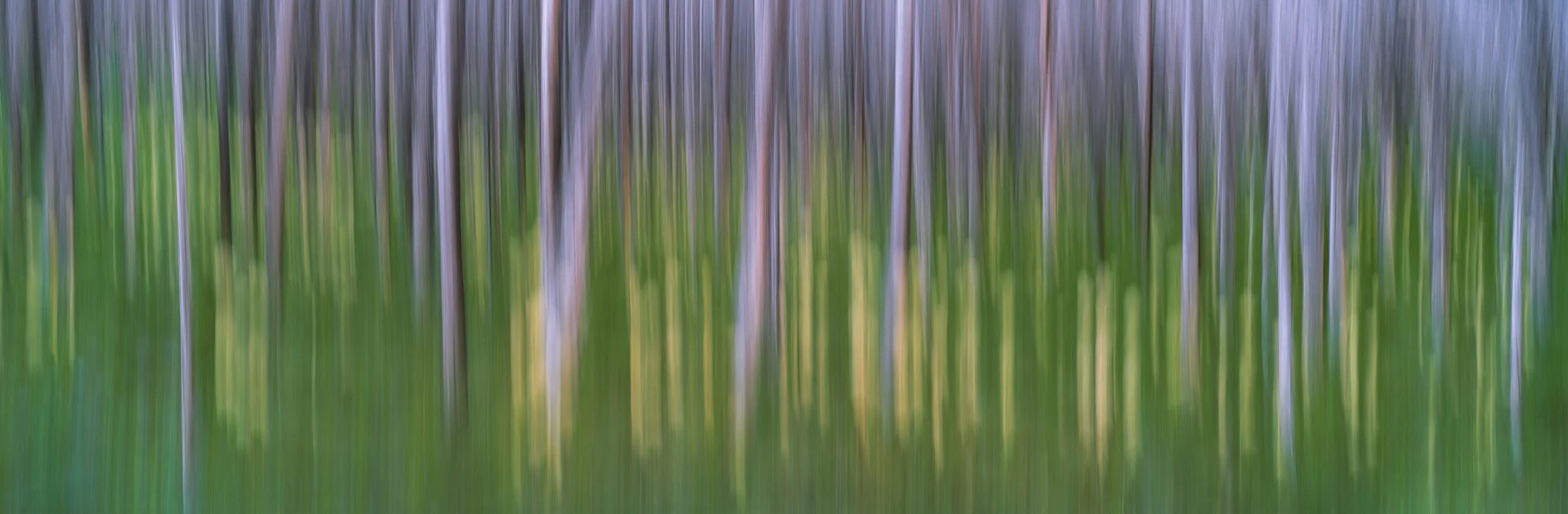
Forest Recovery #1 - 335 megapixel. Ref # SD_220701_R3F4

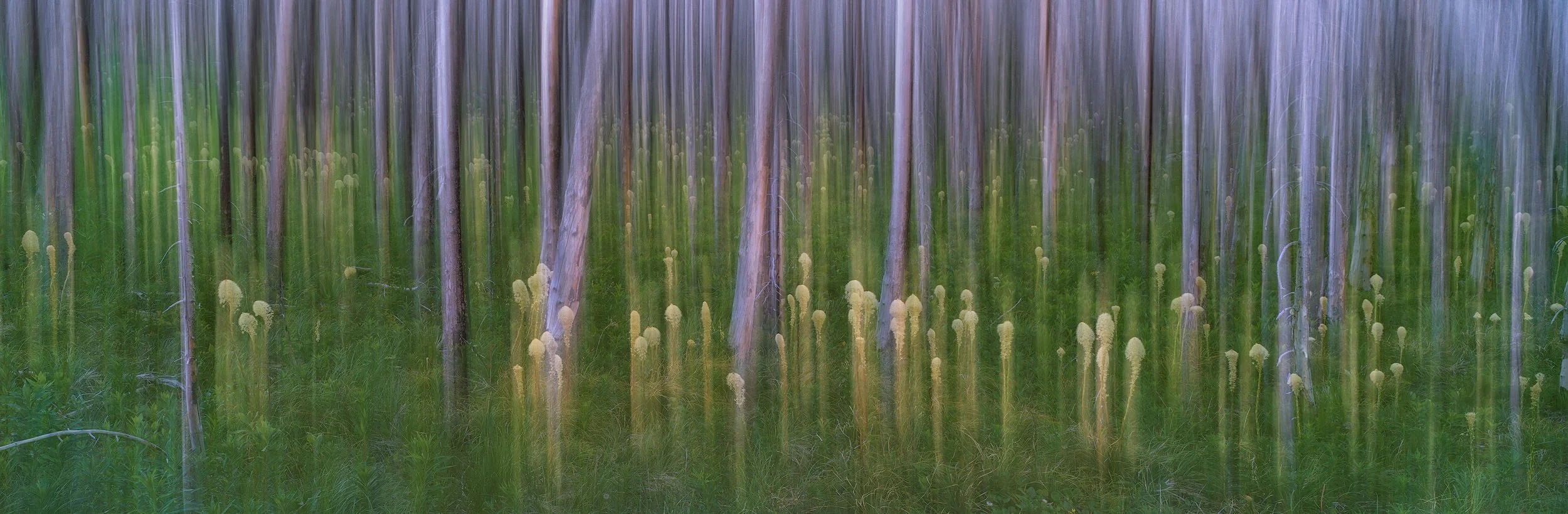
Forest Recovery #1 Multiple Exposure - 335 megapixel. Ref # SD_220701_R3F4 Multiple Exposure
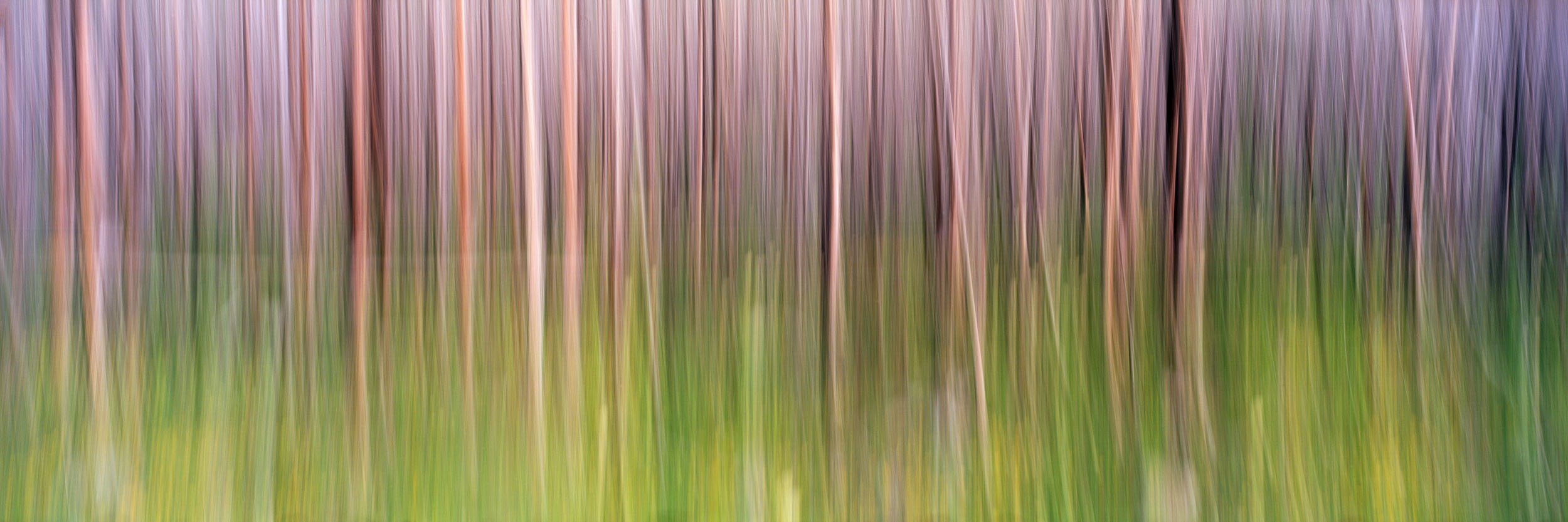
Forest Recovery #2 - 335 megapixel. Ref # SD_220701_R1F3
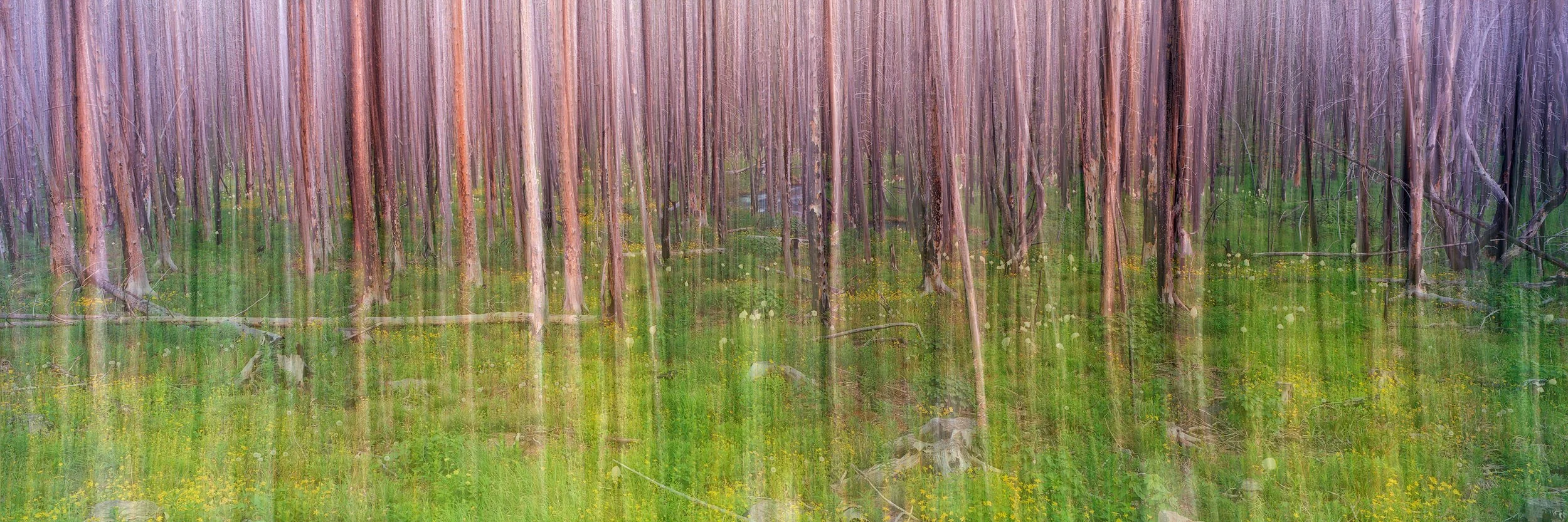
Forest Recovery #2 Multiple Exposure - 335 megapixel. Ref # SD_220701_R1F3 Multiple Exposure

Pine Straw Pathway #1 - 335 megapixel. Ref # SD_220522_R2F3

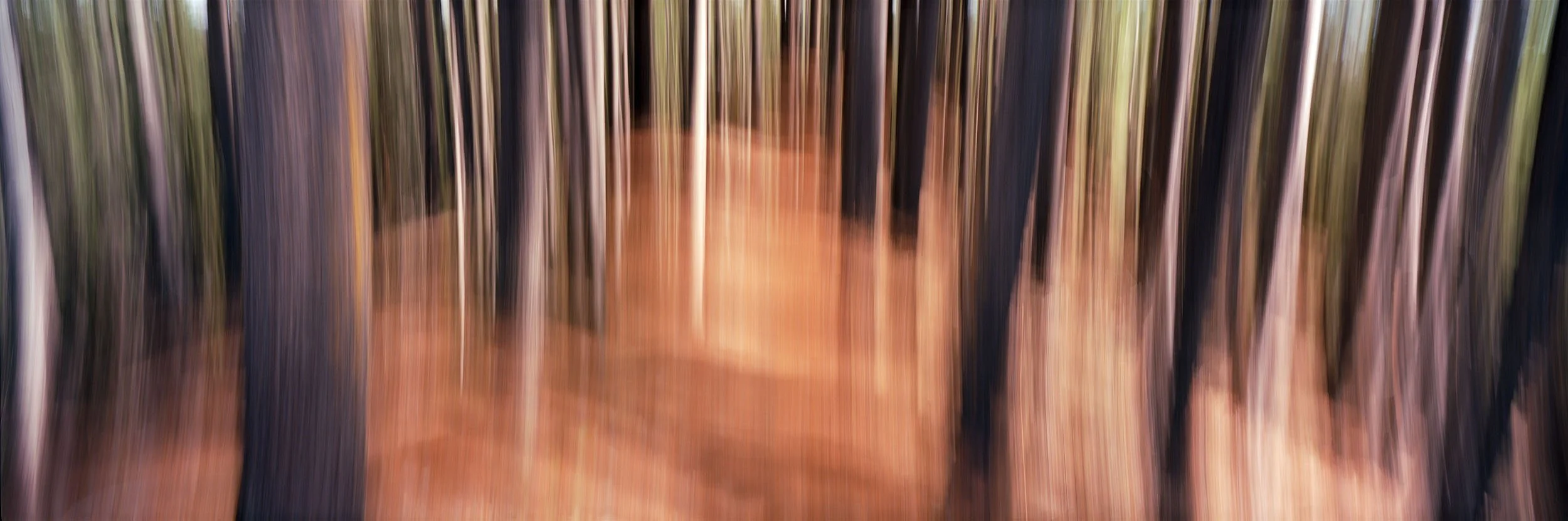
Pine Straw Pathway #2 - 335 megapixel. Ref # SD_220522_R1F2


The Tree Line #1 - 335 Megapixel. Ref # SD_220513_R2F1

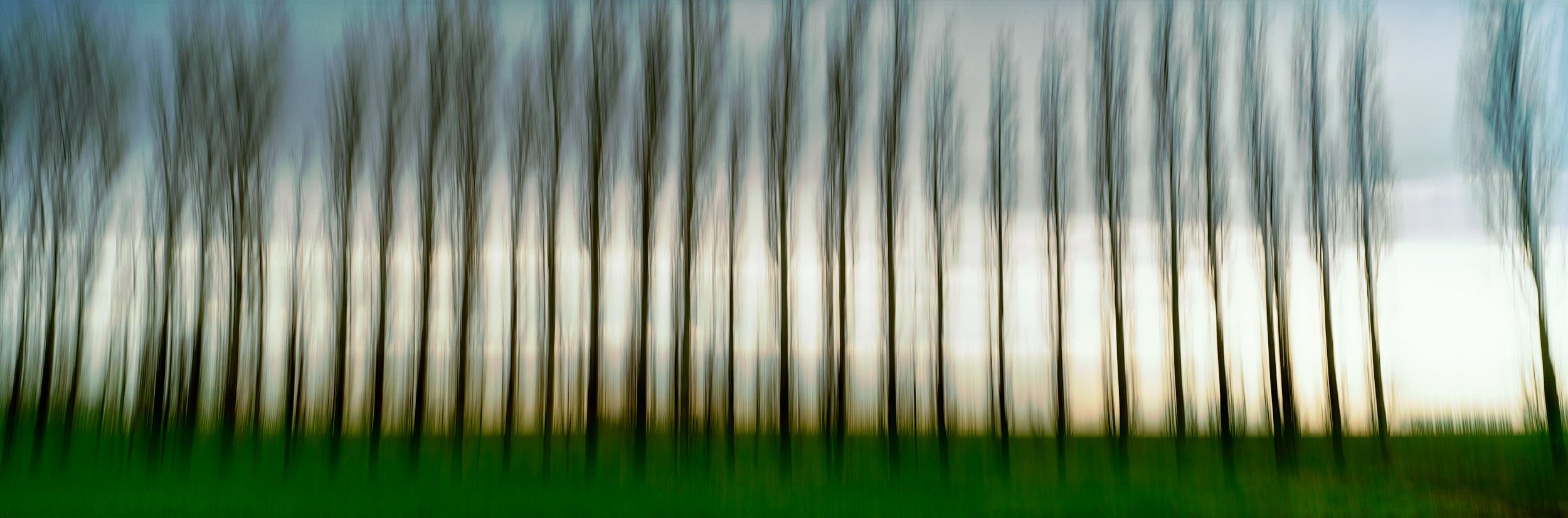
The Tree Line #2 - 335 Megapixel. Ref # SD_220513_R1F3


Springtime Larch, 335 megapixels. Ref # SD_220521_R2F4

Springtime Aspen #1, 335 megapixels. Ref # SD_220609_R1F4